How Banks Use AI to Detect Fraud (and What It Means for You)
Banks use artificial intelligence to spot fraud in milliseconds. Here's how AI fraud detection works, why cards get declined, and how to protect yourself.
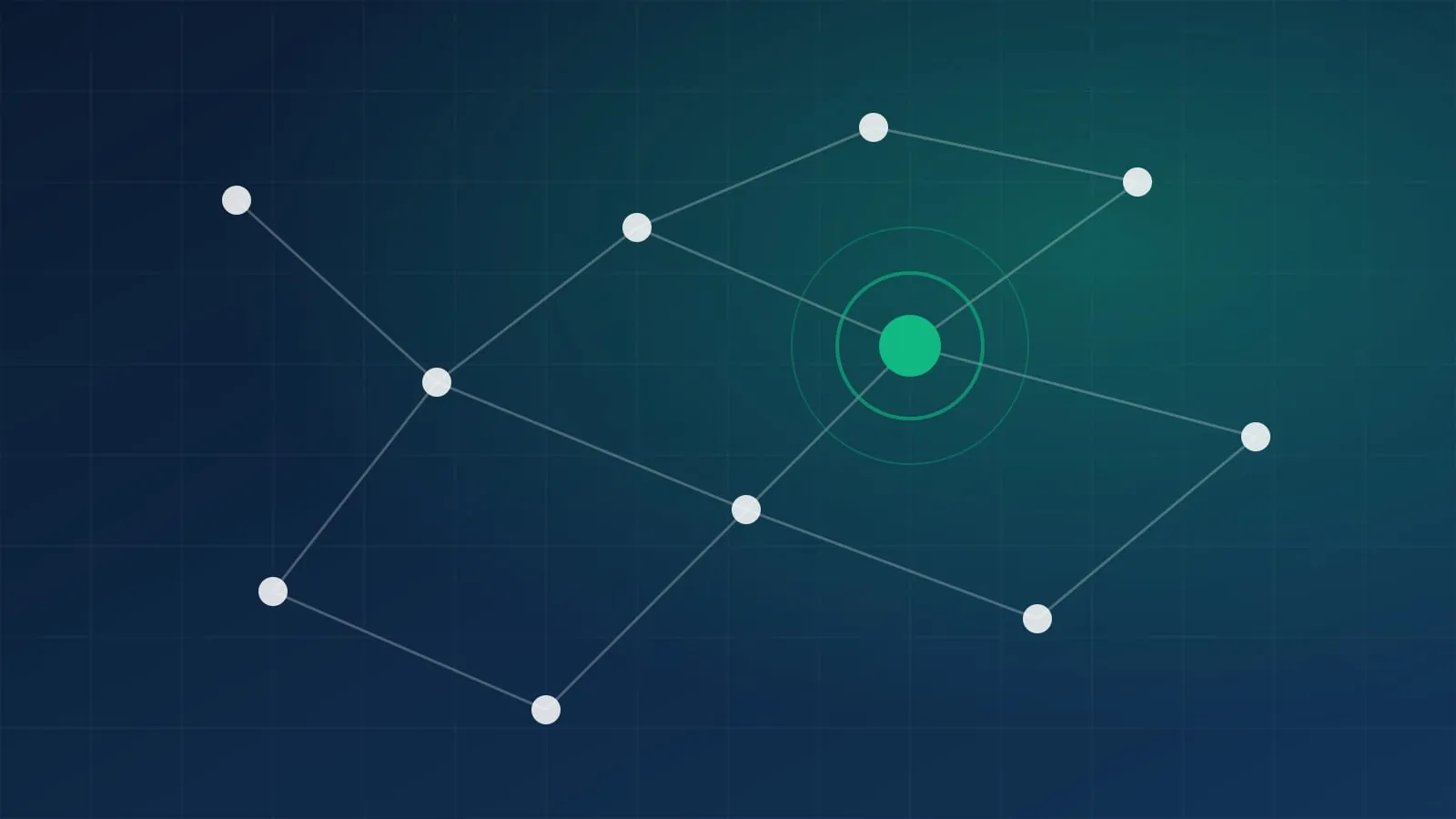
Every time you tap your card or send a payment, your bank decides in a fraction of a second whether it’s really you. Behind that decision is usually artificial intelligence.
Why banks turned to AI
Older fraud systems used fixed rules, like “flag any purchase over a set amount abroad.” Criminals quickly learned to work around them, and the rules annoyed honest customers.
Machine learning models learn from millions of past transactions, both genuine and fraudulent. Instead of following a short list of rules, they weigh hundreds of signals at once and adapt as fraud patterns change.
How AI fraud detection works
When you make a payment, the model gives it a risk score based on signals such as:
- Location: is this far from where you usually spend?
- Amount and timing: is it much bigger than normal, or at an unusual hour?
- Merchant: have you shopped here before? Is this merchant type linked to fraud?
- Device: is the payment coming from your usual phone or browser?
- Speed: are there many attempts in a short time?
A low score goes through. A high score may be blocked, or the bank may ask you to confirm the payment in its app.
Why your card sometimes gets declined
No model is perfect. A legitimate purchase that looks unusual, like a large holiday booking, can trigger a false positive. Banks constantly tune their systems to balance catching fraud against blocking real customers.
Tip: if you’re travelling or making a large purchase, check your banking app for alerts so you can approve payments quickly.
The other side: AI-powered scams
Criminals use AI too. Watch out for:
- Voice cloning: a call that sounds like a family member asking for urgent money
- Polished phishing: scam emails and texts with perfect grammar and personal details
- Deepfake video: fake videos of public figures promoting “investment opportunities”
How to protect yourself
- Turn on transaction alerts in your banking app.
- Never share one-time passcodes, even with someone claiming to be from your bank.
- If a call feels urgent or emotional, hang up and call back on a number you trust.
- Be sceptical of any investment promising guaranteed or very high returns.
The bottom line
AI makes fraud detection faster and smarter, and it protects most payments without you noticing. But it isn’t a complete shield. Your own caution is still the last line of defence.
Disclaimer: This article is for educational purposes only and is not financial advice. Consider your own situation and speak with a qualified professional before making financial decisions. How we write and review content.

Written by
Research & Editorial
The FinTechAi editorial team researches, writes and fact-checks every guide on investing, crypto, AI, banking and personal finance.